What Are The Benefits of PVC Trim?
PVC trim, or polyvinyl chloride trim, has revolutionized the construction and home improvement industries. This material, once primarily used for plumbing and electrical applications, has become a popular choice for exterior and interior trim work. Its versatility, durability, and low maintenance have made it a preferred alternative to traditional wood trim.
What is PVC Trim?
Definition and Composition
PVC trim is a type of plastic building material made from polyvinyl chloride, a synthetic resin. It is designed to replicate the appearance and function of wood trim but offers numerous advantages due to its unique properties. PVC trim comes in various forms, including solid PVC trim and cellular PVC trim, each with distinct characteristics suited to different applications.
Types of PVC Trim
Solid PVC Trim: This type is dense and heavy, offering high strength and durability. It is often used in areas requiring a more robust material.
Cellular PVC Trim: Lighter than solid PVC, cellular PVC trim has a foamed core that provides good insulation properties while maintaining durability.
History of PVC Trim
Evolution and Adoption in the Construction Industry
PVC trim was initially developed in the mid-20th century as an alternative to wood and metal trims, which were prone to rot, insect damage, and corrosion. Over the years, advancements in manufacturing technology improved the quality and versatility of PVC trim, leading to its widespread adoption in both residential and commercial construction.
Comparison with Traditional Materials
Unlike wood trim, which requires regular maintenance and can suffer from environmental damage, PVC trim offers a longer-lasting solution with minimal upkeep. Metal trims, while durable, can be susceptible to rust and are often more expensive and harder to work with compared to PVC.
Advantages of PVC Trim
Durability and Longevity
PVC trim is renowned for its durability. It does not warp, crack, or split, even under harsh weather conditions. This makes it an excellent choice for exterior applications where exposure to the elements is a significant concern.
Resistance to Rot and Insects
One of the most significant benefits of PVC trim is its resistance to rot and insect damage. Unlike wood, PVC does not provide a food source for termites and other pests, ensuring it remains intact and functional for many years.
Low Maintenance Requirements
PVC trim requires minimal maintenance. It does not need to be painted or stained, and cleaning typically involves simple washing with soap and water. This reduces the long-term costs and effort associated with maintaining the exterior appearance of buildings.
Aesthetic Versatility
PVC trim can be manufactured to mimic the appearance of various types of wood, offering a wide range of design options. It can be easily cut, shaped, and molded, making it suitable for custom trim work and intricate designs.
Environmental Benefits
PVC trim is often made from recycled materials, and it can be recycled at the end of its life cycle. Additionally, its longevity reduces the need for frequent replacements, contributing to a more sustainable building practice.
Cost-Effectiveness
While the initial cost of PVC trim may be higher than that of wood, its long-term savings make it a cost-effective option. Reduced maintenance, longer lifespan, and fewer replacements translate to lower overall costs.
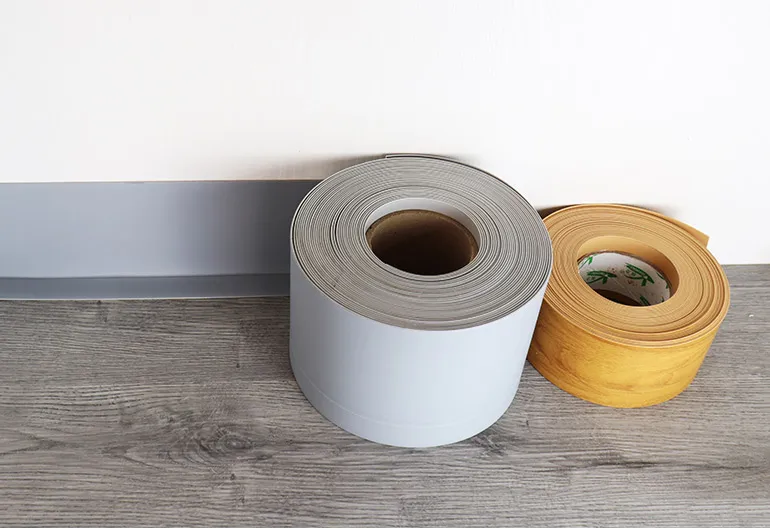
Exploring the Pros and Cons of pvc skirting Boards
Technical Specifications
Material Properties
PVC trim is known for its excellent weather resistance, impact strength, and thermal stability. It has a low moisture absorption rate, which prevents swelling and deformation. Additionally, PVC trim is non-toxic and fire-retardant, adding to its safety profile.
Manufacturing Process
The manufacturing process of PVC trim involves the extrusion of polyvinyl chloride resin mixed with various additives to enhance its properties. This process allows for the creation of both solid and cellular PVC trim, each tailored to specific applications.
Applications of PVC Trim
Residential Use
In residential construction, PVC trim is used for various applications, including window and door casings, fascia, soffits, and decorative elements. Its ability to withstand harsh weather conditions makes it ideal for exterior trim work.
Commercial Use
Commercial buildings also benefit from PVC trim due to its durability and low maintenance. It is commonly used in storefronts, office buildings, and other commercial structures where aesthetics and longevity are crucial.
Interior vs. Exterior Applications
PVC trim is versatile enough for both interior and exterior use. Inside homes, it can be used for baseboards, crown moldings, and wainscoting. Outside, it serves as a reliable material for fascia boards, trim around windows and doors, and other decorative elements.
Suggested reading:
https://www.whosonthelist.com/


评论
发表评论